
Not all processed foods are bad, and not all whole foods are perfect. Here's how to tell what actually belongs on your plate.
Defining Whole Foods
Whole foods are foods that are minimally processed and as close to their natural state as possible — think fresh vegetables, fruits, nuts, seeds, legumes, and whole grains. They retain their natural nutrients, fibre, and beneficial compounds.
What Are Processed Foods?
Processed foods have been altered from their natural state — through cooking, canning, freezing, or adding ingredients. Processing exists on a spectrum: a bag of frozen peas is minimally processed; a packet of crisps is ultra-processed.
The Problem with Ultra-Processed Foods
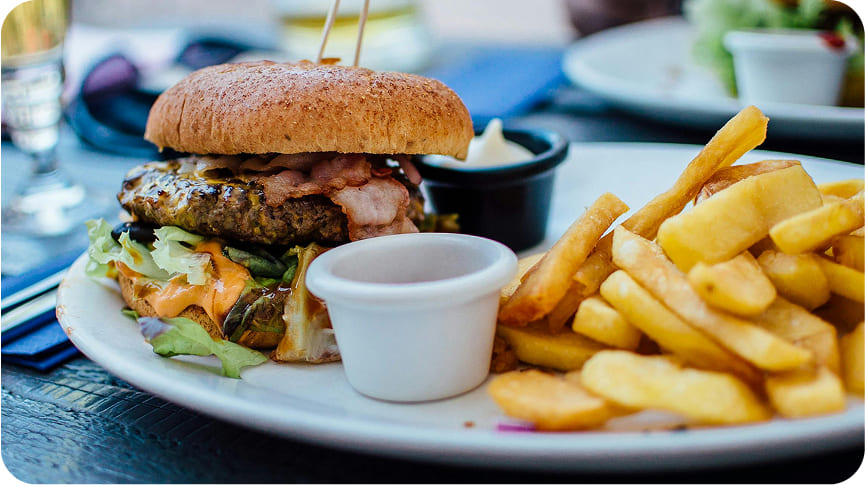
Ultra-processed foods — like fast food, sugary cereals, packaged snacks, and fizzy drinks — are engineered to be hyper-palatable. They tend to be high in added sugar, sodium, and unhealthy fats while being low in fibre and essential nutrients.
The Practical Takeaway
Rather than labelling all processed food as bad, focus on the quality of your overall diet. Choose minimally processed options where possible, read ingredient lists, and prioritise whole foods as the foundation of your meals.